Luxury recovery has become 2026’s real wellness flex. For years the ultimate status symbol was working harder, waking up earlier, stacking one more workout onto an already brutal week. That logic has flipped. The women setting the pace in luxury wellness are not the ones pushing the hardest, they are the ones recovering the smartest, and they are paying serious money to do it. Cryotherapy chambers, red light panels and infrared saunas have moved from elite athlete facilities into private clubs, home suites and members only recovery lounges, and recovery itself has become the new status symbol.
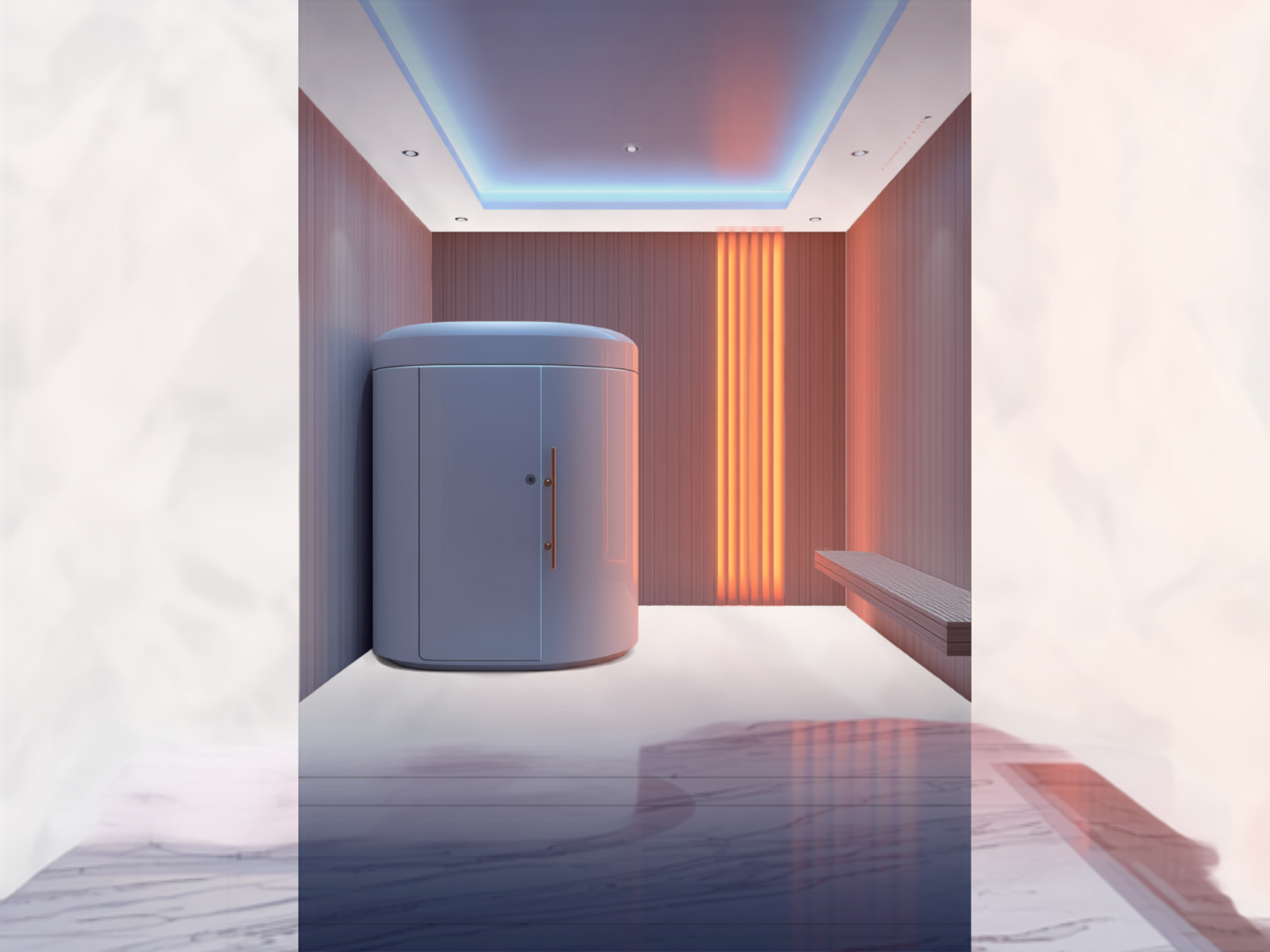
The new luxury flex is not another workout, it is how well you recover from one. Cryotherapy, red light therapy and infrared sauna sessions are replacing extra hustle as the marker of who is really investing in themselves.
Quick Take
The Wellness Status Symbol Has Quietly Flipped
A decade of hustle culture wellness, 5 a.m. workouts, back to back classes, wearables tracking every metric, has given way to something calmer but no less expensive. Recovery modalities that once lived exclusively in professional sports medicine, cryotherapy chambers, percussion therapy, lymphatic drainage, infrared saunas, are now standard offerings at the wellness clubs and members only spaces this audience already frequents. The shift mirrors what has already happened with brain wealth and cognitive optimization spending, luxury wellness keeps moving toward whatever science can actually measure, and recovery is where the measurable evidence is strongest right now.
What the Science Actually Shows
Whole body cryotherapy, brief exposure to extremely cold air in a specialized chamber, has real research behind it, and it sits at the center of the luxury recovery conversation. A pilot cohort study on whole body cryotherapy found measurable reductions in systemic inflammation markers among healthy adults after regular sessions, and separate research on athletes has recorded inflammatory marker reductions of up to sixty percent following exercise induced muscle damage.
Red light therapy works through a different mechanism, specific wavelengths of red and near infrared light are absorbed by cells and converted into cellular energy, with research linking it to reduced inflammation, faster tissue repair and improved skin quality. Practitioners increasingly pair the two modalities in a single session, cold first to constrict inflammation, red light after to support the cellular repair that follows.
What a Recovery Focused Routine Actually Looks Like
A typical week in this world now looks less like back to back HIIT classes and more like a rotation of shorter, more intense training sessions balanced against dedicated recovery time. Two or three strength sessions might be followed by a cryotherapy visit, an infrared sauna block scheduled for the evenings, and a red light session worked in during a quieter part of the week. The training volume often drops. The intentionality around what happens after training goes up considerably, treating recovery as a scheduled non negotiable rather than something squeezed in if time allows.
This luxury recovery habit shows up at home too, where the trend shows up in smaller but still notable ways, upgraded self care and beauty tools built around percussion massage and lymphatic drainage, and simple additions like an electric scalp massager becoming part of a nightly wind down rather than an occasional indulgence.
The Price of Recovering Smarter
None of this luxury recovery comes cheap. Single cryotherapy sessions at boutique studios typically run forty to ninety dollars, with membership packages bringing the per session cost down for regular users. Combined cryo and red light suites at higher end wellness clubs push toward the top of that range, and at home infrared sauna cabins, the kind increasingly appearing in primary bathrooms and home gyms, commonly run several thousand dollars before installation. It is a meaningful financial commitment, which is exactly why it functions as a status marker in the first place, recovery this deliberate signals disposable income and prioritized time in a way a gym membership alone no longer does.
Is Recovery Focused Luxury Wellness Worth It
When it comes to luxury recovery, for people training seriously, several times a week with real intensity, the research on cryotherapy and red light therapy for reducing inflammation and supporting muscle repair is genuinely solid, not just marketing.
For someone with a lighter, more casual exercise routine, the return on a several thousand dollar home sauna is less clear, and a lot of the same recovery benefit can come from consistent sleep, hydration and the kind of structured daily routine that high performers were already building before recovery modalities became fashionable. The honest answer is that this trend rewards people who are already training hard enough to need real recovery, and functions more as an expensive nice to have for everyone else.
Frequently Asked Questions
What is whole body cryotherapy?
Whole body cryotherapy involves briefly exposing the body to extremely cold air, typically negative 90 to negative 120 degrees Celsius, inside a specialized chamber for two to four minutes, with research showing it can reduce systemic inflammation and support post exercise recovery.
Is red light therapy backed by real research?
Yes. Red and near infrared light therapy has documented research support for reducing inflammation, supporting tissue repair and improving skin quality, working by stimulating cellular energy production at specific light wavelengths.
How much does luxury recovery wellness typically cost?
Single cryotherapy or red light sessions at boutique studios generally range from forty to ninety dollars, while at home infrared sauna installations commonly run several thousand dollars, making membership packages the more cost effective option for regular users.
Is cryotherapy worth it for someone who does not train intensely?
The clearest evidence for cryotherapy and red light therapy benefits applies to people training hard enough to generate real exercise induced inflammation. For lighter exercisers, consistent sleep and hydration deliver much of the same recovery benefit at a fraction of the cost.
The Bottom Line on Luxury Recovery
Luxury recovery has become the new luxury not because it is trendy, but because the science behind cryotherapy and red light therapy is strong enough to justify the price tag for the people actually training hard enough to need it. Whether it earns a place in your own routine comes down to one honest question, how hard is the training that the recovery is meant to support. For 2026’s wellness elite, the answer is clearly worth the investment. For everyone else, it remains an expensive and genuinely effective indulgence rather than a necessity.