


Spine injuries are a serious medical concern that no one should take lightly. From fractures and herniations to pinched nerves and slipped discs, these injuries can cause debilitating pain and limit mobility. Unfortunately, many people fail to notice the symptoms and signs of a spine injury out of fear or disbelief. However, it is crucial to take spine injuries seriously and act immediately to ensure a successful recovery. This post will cover how these injuries are classified, why they can be potentially life-altering, and how to minimize their effects.

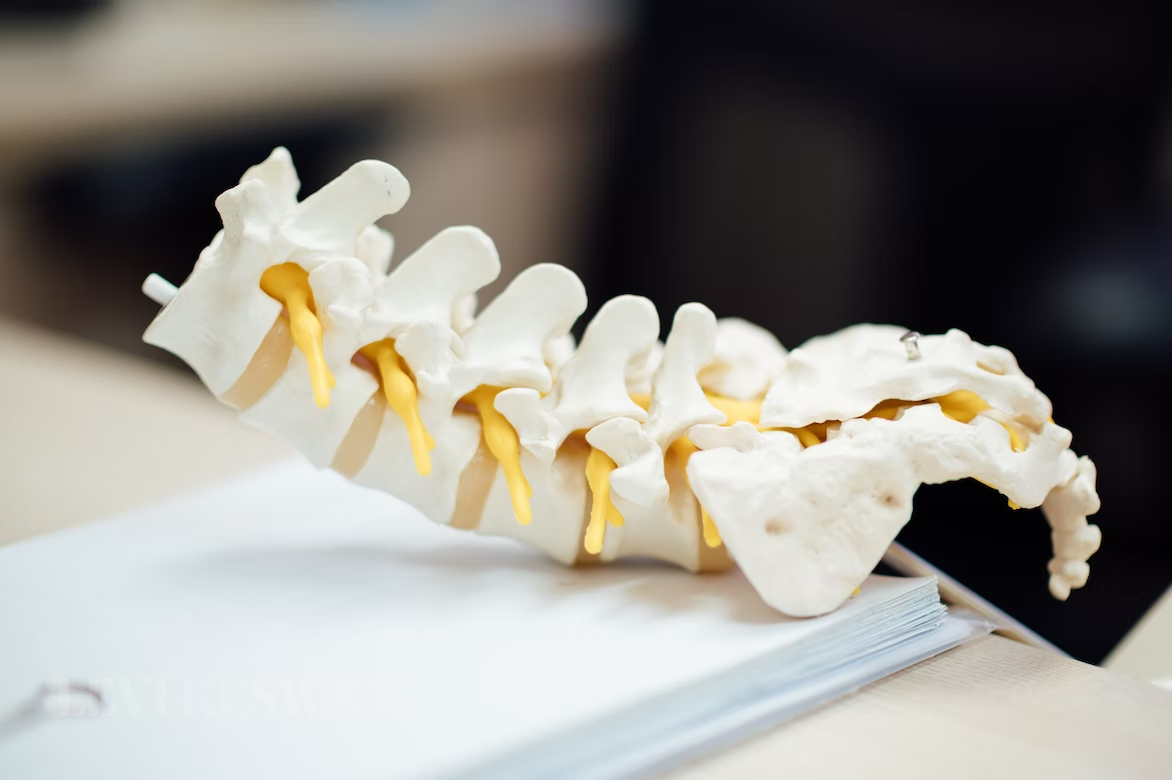
What Is This Type Of Injury?
A spinal cord injury occurs when there is an injury to the spinal cord, usually caused by a traumatic event, such as a car accident or illness. The effects of this injury can be devastating and long-lasting, which makes it essential for people with this type of injury to know what they are dealing with and how they can manage their condition. There are numerous types of spinal chord injuries, but they are primarily broken down into two classes and several categories. These types of SCI include:
- Complete: A complete spinal cord injury that causes paralysis occurs when the spinal cord is totally severed, usually at the cervical vertebrae level. This is the most severe and renders a complete loss of movement and has numerous subsequent effects mentioned later.
- Incomplete: An incomplete spinal cord injury is an injury to the spinal cord that leaves some body functions intact. A person can still feel sensations, move their arms and legs, or have bowel and bladder control, but symptoms vary per case.
Moreover, you can divide these types further based on how long the symptoms last. The most common is acute, with most causes being related to motor vehicle accidents that usually last less than one year. Other causes include falls, sports injuries, and assaults. When elements of spinal cord injury persist for at least one year, it is considered chronic spinal cord injury.
How Does A Spinal Cord Injury Occur?
The most common cause of a spinal cord injury is a car accident because the force of the impact causes the spine to bend and stretch, which can damage nerves and blood vessels in the spine. This rupture in blood vessels leads to bleeding and swelling that damages tissue and nerve fibers in the spinal cord. Aside from motor accidents, the leading causes include:
- Disease: Numerous diseases can cause spinal cord injury if left untreated. They primarily include cancers, bone degeneration, and other inflammatory conditions.
- Falls: The most common cause of spinal injuries for people over 65 is falling, and they can range from mild to severe.
- Violence: Although less common than other causes, violence still causes over 10% of SCI in the USA.
- Sports: While you might think that contact sports result in most SCIs, other non-contact sports can result in injuries.


Why Are They So Serious?
A spinal cord injury occurs when the spine is injured by trauma or illness and results in damage to the spinal cord. The effects of an SCI can be devastating and long-lasting, which makes it essential for people with SCI to know what they are dealing with and how they can manage their condition. This type of injury may result in the following:
- Paralysis
- Sensation loss below the injured area
- Muscle weakness or atrophy
- Bowel incontinence
- Bladder dysfunction
- Sexual dysfunction, including impotence or erectile dysfunction in men and loss of menstruation in women
How To Reduce The Impact Of Spinal Cord Injuries
The first step is to discuss your injury with a trained professional who will know what to look for and can arrange various scans and tests to understand what is going on. Depending on your injuries and symptoms, they will recommend an X-ray, CT, or MRI scan. Once they know what has caused the damage, a treatment plan can be devised. Although SCI tends to cause irreversible damage, you can induce partial recovery depending on the severity. However, if your SCI is complete, the recovery will focus on maintaining your ability to breathe and reducing complications related to immobility.
Ongoing Care And Rehabilitation
Many people with spinal cord injuries can resume their daily activities with the help of ongoing care and rehabilitation. Ongoing treatment can include physical therapy, occupational therapy, speech therapy, and other therapies that can help patients regain their independence.
Spine injuries should not be taken lightly. If you experience severe pain or numbness in your back, neck, or limbs, it may be indicative of a serious spine injury. With the right care and treatment, many spine injuries can be managed successfully and help you to maintain your quality of life.